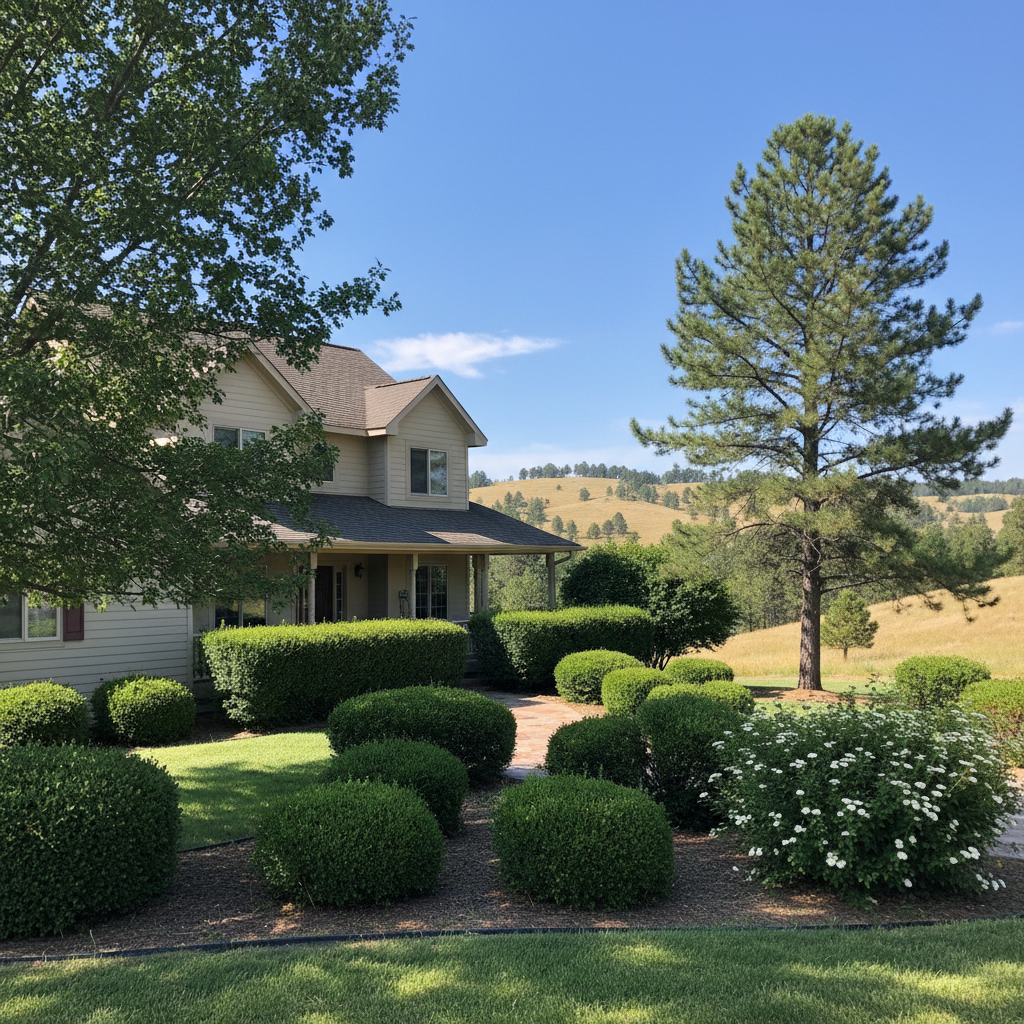
You've got bushes and shrubs, right? And sooner or later, they're gonna need a trim. Maybe you're thinking about tackling it yourself, or perhaps you're calling around for quotes. Either way, I've seen a lot of folks here in Sturgis make the same old mistakes with this kind of work. It usually ends up costing them more time, more money, or even their plants.
Mistake #1: Not Knowing What You Want (or Why)
This is probably the biggest one, honestly. People call me up and just say, "My bushes need trimming." Okay, but why? Do you want them smaller? Neater? To flower more? Or maybe you're trying to get more light to something else? If you don't have a clear goal, you're just cutting for the sake of cutting. That's how you end up with weirdly shaped plants or, worse, plants that just don't recover well.
Before you even pick up the shears or call a pro, take a good, hard look at your shrubs. What's the actual problem you're trying to solve? Are they overgrown and blocking a window? Are they getting leggy and sparse? Or do they just look messy? Knowing your objective helps guide the whole process, whether you're doing it or I am.
Mistake #2: Hiring the Cheapest Guy with a Truck
Look, I totally get it. Everyone wants a good deal. But when it comes to something like plant care, the cheapest option is almost never the best. You're not just paying for someone to show up with clippers; you're paying for their knowledge, their experience, and their insurance. I've seen "cheap guys" roll through town, hack up someone's expensive landscaping, and then just disappear. Guess who gets stuck with the bill for replacement plants or for a real pro to fix the damage? You do.
A big red flag here is someone who gives you a super lowball quote without even looking at the work or asking any questions. Another? Someone who can't provide proof of insurance. If they damage your property or, God forbid, get hurt on your property, you could be on the hook. Here at Progressive Tree, we're fully insured, and we always come out to give a proper estimate.
Mistake #3: Trimming at the Wrong Time of Year
This is a classic. You see your bushes getting shaggy in the middle of summer, so you grab the trimmers. For some plants, that's fine. For others, it's a total disaster. Trim a spring-flowering shrub like a lilac or a forsythia in late summer or fall, and you've just cut off all next year's blooms. Trim a plant that's prone to winter damage too late in the fall, and you've exposed fresh cuts to our harsh Sturgis winters, making it much more vulnerable.
Different plants have different ideal trimming times, you know. Generally, most deciduous shrubs (those that lose their leaves) are best pruned in late winter or early spring while they're dormant, before new growth starts. Evergreens can often be lightly trimmed almost any time, but heavy pruning usually works best in early spring. If you're not sure, a quick search or a call to a local expert can save you a lot of heartache.
Mistake #4: "Topping" or "Shearing" Everything into Balls or Squares
Some folks think all bushes should look like perfect green gumdrops or little boxes. While formal hedges certainly have their place, indiscriminately shearing every plant into an unnatural shape is often bad for its health and its natural form. It can lead to dense outer growth with a dead interior, fewer flowers, and an overall weaker plant.
Good pruning is about making the plant's natural shape even better, taking out dead or diseased branches, and helping healthy growth along. It's not about making every plant look like it came off an assembly line. This is where a skilled hand really makes a huge difference. We call it "structural pruning" or "renewal pruning" for a reason — it's all about the plant's long-term health and beauty, not just a quick haircut.
Mistake #5: Ignoring the "Why" Behind Overgrowth
Sometimes, your shrubs are overgrown simply because they're old or they're in the wrong spot. You can trim a plant back year after year, but if it's a massive variety planted right up against your house, you're fighting a losing battle. Or maybe it's not getting enough sun, so it's reaching and getting leggy.
Before you commit to endless trimming, think about if the plant is truly happy where it is. Sometimes, the best "trimming" decision is to remove a plant that's outgrown its space and replace it with something more appropriate for the location. Especially with the clay soil we often have around here, choosing the right plant for the right spot from the get-go saves a ton of work down the line.
Don't fall into these traps. A little planning and choosing the right people for the job can make all the difference in how your landscape looks and how healthy your plants stay.